by Tor
The Future of Big AI Companies is Bleak
Data-Center Capacity
How much claimed capacity is actually getting built and put into operation?
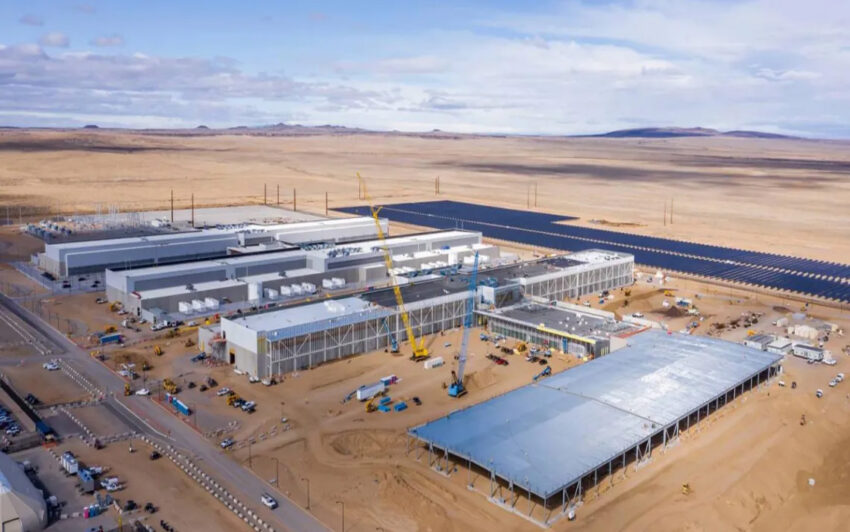
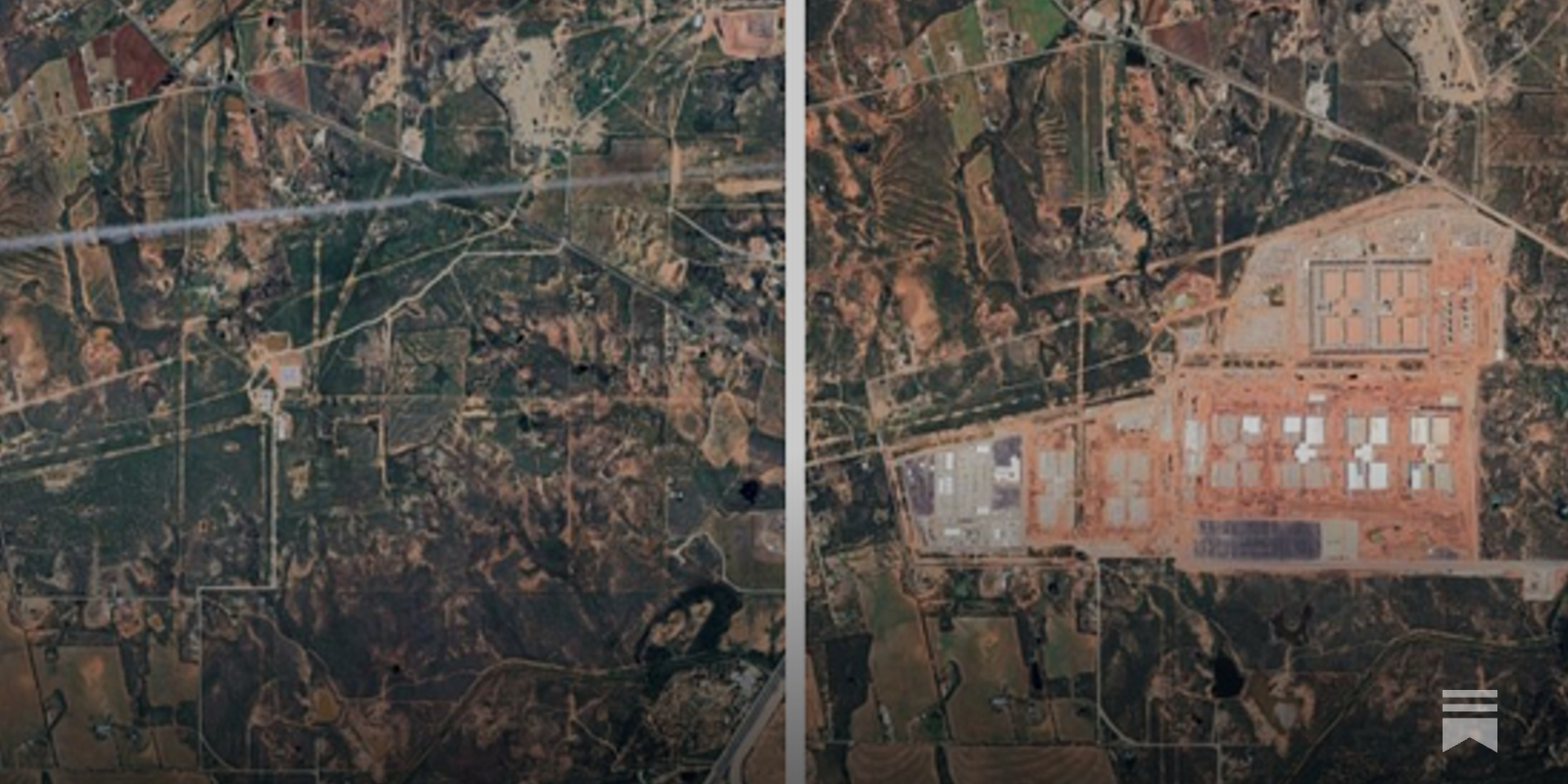
From Ed Zitron’s deep dive[1], it looks like actual operational data centers by electrical consumption are somewhere between a tenth to twentieth of the capacity corporate press releases would have people believe. This means a substantial percentage of the compute hardware sold or contracted for is sitting in warehouses or scheduled for installation into facilities that do not and may never exist.
Further, with many data-centers neither actually online, nor declared failed, much of the depreciation, both of hardware and has not hit the quarterly revenue statements.
Opposition to Data-Centers
There is the growing opposition to construction of necessary big data-centers on several grounds:
* Noise. The infrasound range is now becoming one of the foremost areas of note, and one that, from what I know, has relatively little extant mitigation, making this one where active research may be needed, and thus a potential unknown and unknowable cost. [2] [3]
* Water. Perhaps not every data-center, but there are many extant ones proven to be sucking up large amounts of water, some to the point of serious environmental damage. Can be mitigated, but expensive to do so.
* Electricity. Some draw from the local grid sufficiently to cause disruptions. Others use partially or primarily on-site generation, however this latter option tends to dramatically exacerbate the noise issue.
There are more issues, but these are enough to delay breaking ground or potentially halt construction of in-progress facilities, dramatically increasing the risk of compute hardware gathering dust until it becomes obsolete.
Viability of big data-centers
Are large data centers for AI systems even viable? [4]
Agentic AI with access to an entire system poses a substantial risk. For the big data centers to be viable for agentic AI, it requires giving the AI system unfettered access to an entire system, with the potential for all data to be transferred to the servers of the AI system. For some uses this may be acceptable. Where there is confidential client data in play, which includes most professional offices such as insurance, finance, and medical, this becomes a third-party risk of data not explicitly passed to the third party by a responsible individual.
For a major player there is the possibility to negotiate a contract with adequate separation and liability for a breach to mitigate this risk. Smaller offices without clout to negotiate such a contract will likely be required to use an on-premises system that sends no data outside the office unless explicitly authorised to.
The above two categories are the largest percentage of the market by revenue, but only the first, with much lower margins, is likely to be able to use the datacenters.
The creative field is not regulation bound, and thus has the option to accept a higher risk of data breach, but is much more varied and price-sensitive.
This suggests we are likely to see a series of restructurings and bankruptcies, starting with Chapter 11, with Chapter 7 following, as this series of issues all come to a head over a similar timeframe.
[1] https://www.wheresyoured.at/where-are-all-the-data-centers/
[2] https://www.youtube.com/watch?v=_bP80DEAbuo
[4] https://open.substack.com/pub/claudekeruru/p/after-the-mainframe